
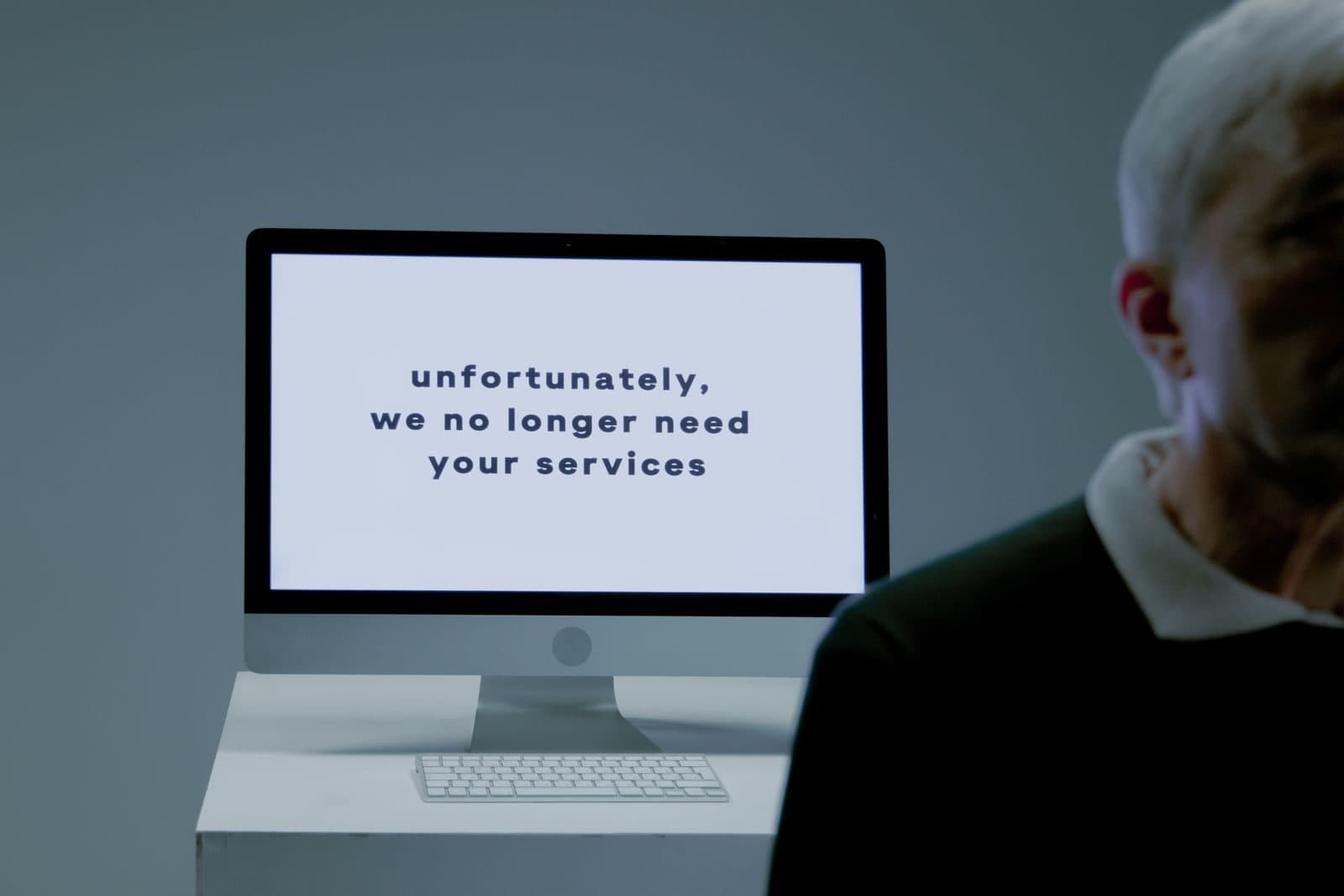
If your employer’s company has genuinely closed in Saudi Arabia, transferring sponsorship to a new employer is one of the fastest legal paths available to you — complete business shutdown is explicitly recognised as an exception that removes both the standard 12-month minimum tenure requirement and the need for your current employer’s consent. In principle, this is exactly the kind of situation the Labour Reform Initiative was designed to protect workers from being trapped by.
In practice, the path isn’t always as clean as “company closed, transfer freely.” The real complications tend to show up in the details: confirming the closure is genuine and properly registered rather than informal or incomplete, making sure your wages and end-of-service benefits are actually recoverable before or during the transfer process, and dealing with the surprisingly common scenario where a company has effectively stopped operating but was never properly deregistered — leaving your Iqama technically tied to an entity that exists on paper but nowhere else.
This guide walks through exactly how to confirm your employer’s closure is genuine, what you’re owed before you focus on transferring at all, the actual step-by-step transfer process, and what to do if the company’s closure was never properly formalised.
This article addresses the legal pathway for workers in Saudi Arabia whose employer's company has closed and who need to transfer sponsorship to a new employer. The legal framework recognizes complete business shutdown as an exception that removes both the 12-month minimum tenure requirement and the need for employer consent under the Labour Reform Initiative. Practical implications include the need to verify genuine closure through Commercial Registration, Qiwa, and GOSI records, pursue priority wage claims under the Saudi Bankruptcy Law, and navigate complications when companies cease operations without formal deregistration. The article serves expatriate workers, HR professionals, and legal advisors managing employment transitions following company closures in Saudi Arabia.
Generated by AI · Not legal advice
- Complete business shutdown in Saudi Arabia removes both the 12-month tenure requirement and the need for employer consent when transferring sponsorship to a new employer.
- Workers must verify genuine closure through three independent sources: Commercial Registration status with the Ministry of Commerce, Qiwa employment status, and GOSI registration records.
- The Saudi Bankruptcy Law prioritizes employee wage claims up to 30 days ahead of most other creditors during company liquidation proceedings.
- End-of-service benefits remain legally enforceable even when an employer undergoes financial distress or liquidation, and can be claimed through MHRSD dispute resolution or Labour Court.
- When a company has informally closed without formal deregistration, filing an MHRSD complaint through the Friendly Settlement service can force official recognition of the establishment's actual status.
- A genuinely closed company cannot legally file a Huroob report against a worker, as such reports require an active employer relationship and ongoing work duties.
The Short Answer: Closure Is One of the Fastest Legal Paths to Transfer
Among the various conditions that allow a no-consent sponsorship transfer in Saudi Arabia, complete business shutdown or establishment closure sits alongside unpaid wages and contract expiration as a recognised exception — and it removes the standard 12-month tenure requirement that otherwise applies to most transfers.
Why This Scenario Gets Special Treatment
The reasoning is straightforward: a worker cannot reasonably be expected to obtain consent from an employer that no longer exists to give it, nor should they be trapped waiting out a tenure requirement while their actual sponsor has stopped operating entirely. This exception exists specifically to prevent exactly that kind of limbo.
First, Confirm the Company Is Genuinely Closed
Before initiating anything, verify the closure is real and properly registered — this single step avoids the most common complication in this entire process.
Checking the Commercial Registration Status
A company’s Commercial Registration (CR) status with the Ministry of Commerce is the underlying legal record of whether it’s actually operating. If the CR has been cancelled or shows as inactive, that’s strong confirmation the closure is formal, not just informal or temporary.
Checking Your Own Status on Qiwa
Log into your Qiwa account and review your employment status and establishment details. If your employer’s establishment shows as closed, suspended, or inactive on Qiwa itself, this directly supports your eligibility for a no-consent transfer under the closure exception.
Checking GOSI Registration
The General Organization for Social Insurance maintains its own record of active employer registrations. If your employer’s GOSI registration has lapsed or shows as inactive, this is a further independent confirmation point, useful particularly if the Qiwa status is ambiguous or hasn’t been updated.
What You’re Owed Before You Even Think About Transfer
Securing your next role matters, but understanding what you’re owed from the closing company protects you from leaving money on the table in the rush to move on.
Wages Get Priority Under the Bankruptcy Law
The Saudi Bankruptcy Law specifically prioritises employee claims, particularly up to 30 days’ worth of unpaid wages, ahead of most other creditors in a liquidation scenario. This priority status exists precisely to give workers a meaningful safety net when a company becomes insolvent, rather than leaving wage claims to compete on equal footing with commercial debts.
End-of-Service Benefits Don’t Disappear With the Company
Your accrued end-of-service benefits remain a legal entitlement even when the employer is in financial distress or undergoing liquidation. The framework for claiming these — through MHRSD’s dispute resolution process or, if necessary, the Labour Court — doesn’t disappear simply because the company itself has ceased operating; it becomes a claim against the company’s remaining assets or liquidation estate.
Step-by-Step: Transferring Sponsorship After Closure
Here’s the practical sequence once you’ve confirmed the closure and understand what you’re owed.
Step 1 — Secure a New Employer Willing to Sponsor You
Find a new employer prepared to formally sponsor your transfer. Since the closure exception removes the consent requirement from your side, your focus shifts entirely to finding a receiving employer and meeting their onboarding requirements.
Step 2 — Confirm the New Employer Meets the Receiving Requirements
The new employer needs an active MHRSD registration, compliance with the Wage Protection System over recent months, and an active Commercial Registration and GOSI certificate. If the receiving establishment doesn’t meet these standards, the transfer request can be rejected regardless of your own eligibility under the closure exception.
Step 3 — Initiate the Transfer Through Qiwa
The new employer initiates the transfer request through Qiwa, citing the establishment closure as the basis for proceeding without the previous employer’s consent. Because the closure exception is a recognised category, this should process without requiring the former employer’s participation at all.
Step 4 — GOSI and Medical Insurance Re-Registration
Once the transfer decision is issued, the new employer must register you with GOSI within 30 days and activate your medical insurance coverage on or before your transfer start date — gaps in either are treated as compliance violations against the new establishment, so it’s worth confirming these steps are actually completed rather than assuming they happen automatically.
What if the Company Is “Closed” but Never Formally Deregistered?
This is where the real friction tends to live, and it’s worth taking seriously rather than assuming it will resolve itself.
The Zombie Company Problem
A company can stop paying salaries, stop operating, and effectively cease to exist in every practical sense — while its Commercial Registration and Qiwa establishment record remain technically active, because no one ever filed the formal deregistration. In this scenario, you may not qualify cleanly for the automatic closure exception, since the official records don’t yet reflect what’s actually happened.
Filing an MHRSD Complaint to Force Resolution
If you’re stuck in this gap, filing a complaint through MHRSD’s Friendly Settlement service creates an official record of the situation and can prompt the ministry to investigate and formally recognise the establishment’s actual status, unlocking your transfer eligibility even where the paperwork hasn’t caught up with reality. This mediation process typically begins within a matter of working days of filing.
What if You Can’t Find a New Sponsor in Time?
If you’re unable to secure a new employer promptly, you’re not automatically at risk simply because your former company closed — but you do need to actively manage your status rather than letting time pass passively. Depending on your specific circumstances, you may have grace periods available similar to those applying to expired contracts, during which your status is recorded distinctly from “absent from work” while you search for a new sponsor or arrange departure. Monitor your Qiwa status closely during this period, since these windows are generally not extendable once they close.
Special Note on Huroob Risk During This Period
A genuinely closed company cannot legally file a Huroob report against you, since doing so requires an active employer relationship reporting your absence from actual work duties. That said, if your situation involves any ambiguity about whether the company has truly ceased operations, or if a different party retains formal authority over your sponsorship, document your situation thoroughly — confirmation of the closure, your own communications, and your Qiwa status — in case a dispute over your status arises later.
How Wirestork Can Help
Confirming a genuine company closure, securing your unpaid wages and benefits, and navigating a transfer that isn’t cleanly reflected in the official records are exactly the kinds of overlapping issues worth getting expert help with rather than untangling alone. Wirestork can connect you with a lawyer to verify your former employer’s status, pursue your wage and end-of-service claims, and manage your sponsorship transfer. Talk to a Lawyer if your employer’s company has closed.
Quick Takeaways
- Company closure is a recognised exception that removes both the 12-month tenure minimum and the need for employer consent in a sponsorship transfer.
- Verify the closure is genuine through the Commercial Registration status, your own Qiwa employment status, and GOSI registration records.
- Your unpaid wages get priority under the Bankruptcy Law, up to 30 days, ahead of most other creditors in a liquidation.
- End-of-service benefits remain owed even through a company’s financial distress or liquidation.
- Your new employer must meet receiving requirements — active MHRSD registration, WPS compliance, and an active CR and GOSI certificate.
- If the company is closed in practice but never formally deregistered, an MHRSD complaint can force official recognition of the actual status.
- A genuinely closed company cannot legally file a Huroob report against you, since it requires an active employer relationship.
Conclusion
Transferring sponsorship after your employer’s company closes is, on paper, one of the more straightforward exceptions Saudi labour law provides — no waiting out a tenure requirement, no chasing consent from a company that no longer exists to give it. Where it gets genuinely complicated is when the official paperwork hasn’t caught up with reality: a company that’s stopped functioning but was never formally deregistered, leaving you eligible in substance but not yet in the system’s eyes.
The practical sequence that protects you best is verifying the closure across multiple official sources before assuming your path is clear, pursuing your wage and end-of-service claims in parallel rather than letting the rush to secure new sponsorship crowd them out, and — if the paperwork gap is the obstacle — using an MHRSD complaint to force the formal recognition your situation actually deserves.
If you’re navigating a closed employer’s aftermath, whether that’s confirming your status, recovering what you’re owed, or actually completing your transfer, Wirestork can connect you with a lawyer who handles exactly this combination of issues. Talk to a Lawyer to get your situation resolved.
Frequently Asked Questions
1. How can you transfer sponsorship after your employer’s company closes in Saudi Arabia? Confirm the closure through the Commercial Registration status, your Qiwa employment record, and GOSI, then secure a new employer who initiates the transfer through Qiwa citing the closure exception, which removes the standard 12-month tenure requirement and the need for your former employer’s consent.
2. Do I need my old employer’s consent to transfer sponsorship if their company closed? No. Complete business shutdown or establishment closure is a recognised exception that removes the consent requirement, along with the standard 12-month minimum tenure that otherwise applies to most sponsorship transfers.
3. Will I still get my unpaid wages and end-of-service benefits if my employer’s company closes? Yes, in principle. The Saudi Bankruptcy Law gives employee wage claims priority, up to 30 days, ahead of most other creditors during a liquidation, and end-of-service benefits remain a legal entitlement pursued through MHRSD or the Labour Court if needed.
4. What if my employer’s company has effectively closed but was never formally deregistered? This gap between practice and official records can complicate your closure-based transfer eligibility. Filing a complaint through MHRSD’s Friendly Settlement service can prompt formal recognition of the establishment’s actual status and unlock your transfer.
5. Can a closed company file a Huroob report against me? No. A genuine company closure means there’s no active employer relationship capable of reporting you absent from actual work duties. If ambiguity exists about the company’s true status, document your situation thoroughly in case a dispute arises.
References
- Ministry of Human Resources and Social Development, Saudi Arabia — Qiwa Platform
- General Organization for Social Insurance — GOSI Employer Verification
- Ministry of Commerce, Saudi Arabia — Commercial Registration Verification
Omar Al Rashid focuses on UAE criminal procedure, police case management, and court systems. His writing covers travel bans, criminal record checks, deportation orders, and the practical steps individuals must take when dealing with law enforcement or the public prosecution across UAE Emirates.
Share this article
Stay informed.
Receive important legal and regulatory updates across the UAE, Saudi Arabia and the wider GCC.
No spam. Unsubscribe anytime.
Continue Reading
More Legal Insights
UAE Unlimited Contract Abolished: What It Means for Employers and Employees in 2026
UAE unlimited employment contracts were abolished by Federal Decree-Law No. 33 of 2021, ef…
Saudi Work Permit Cancelled After 3 Months' Absence (2026 Qiwa Rule)
From June 30, 2026, Saudi Arabia automatically cancels Qiwa registration for non-Saudi wor…
Qiwa Contract Limit 2026 & Saudi Work Visa Quotas: Nitaqat Overhaul Explained
The Qiwa platform caps Saudi nationals at seven employment contracts per year and two simu…